How we assess these products
Our picks are research-led. We compare like-for-like on quality, value, ease of use and suitability for the job, drawing on manufacturer specifications and patterns across large numbers of verified customer reviews rather than cherry-picked quotes. We may earn a commission if you buy through our links, but this never affects how we rank or what we recommend. Read our full editorial standards.

1. Quince And Herbal Tea Natural Pure And Refreshing Herbal Fruit Infusion Herbapol
Herbapol's quince and lemon balm infusion is the cleanest, most quince-forward blend we reviewed. At 12% quince fruit and 67% lemon balm, it delivers genuine fruit character without relying on filler. The aroma is delicate, floral, and authentically autumnal—closer to a fresh quince than a sweetshop approximation. Lemon balm adds a calming, gently citric backbone that makes this ideal for evening wind-down rituals. It's a proper herbal infusion, not a fruit salad in a bag.
- 12% real quince fruit—highest concentration tested
- Clean, aromatic profile with genuine fruit character
- Lemon balm supports relaxation and sleep
- No artificial flavourings
- Teabag format limits leaf expansion
- May be too subtle for those who prefer bold fruit teas

2. HERBAPOL Winter Warmth Fruit Infusion Fruit And Herbal Tea With A Spiced Flavor 100G Loose leaf
Herbapol's Winter Warmth is a generous 100g loose-leaf blend that layers quince with apple, pear, chokeberry, and orange peel, then spikes it with cinnamon bark and cloves. It's boldly spiced—perfect for autumn weddings or equinox gatherings. The quince contribution is modest here, playing second fiddle to the warming spice notes and hibiscus backbone. Large fruit pieces are visible, and the aroma is genuinely inviting. This is one for those who want a premium tisane that leans into festive, mulled territory rather than showcasing quince alone.
- 100g loose-leaf format with visible fruit pieces
- Warming cinnamon and clove for cold evenings
- 21% apple and 10% orange peel add depth
- Versatile for teapot or cup brewing
- Quince plays a supporting role rather than starring
- Spices may dominate for purists
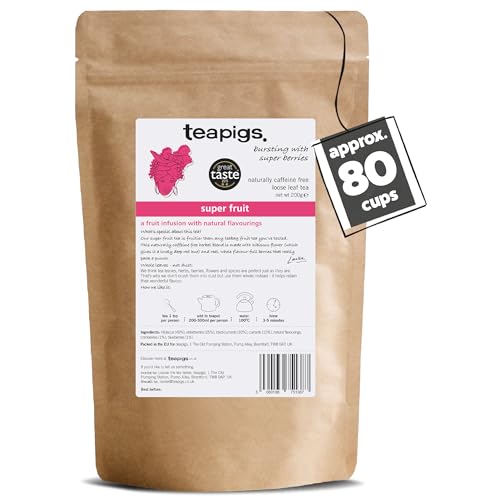
3. teapigs Super Fruit Loose Leaf Caffeine Free Fruit Tea with Hibiscus, 200g
teapigs Super Fruit doesn't contain quince—it's a cranberry, blueberry, and hibiscus powerhouse—but we've included it because it occupies the same dried fruit niche and often appears in searches for autumn fruit blends. The whole fruit pieces deliver a punchy, tart, naturally sweet profile that's miles ahead of standard fruit teabags. At 200g, it's generous, and the plastic-free packaging is a welcome eco touch. If you're after bold berry flavour rather than quince's subtle perfume, this is your best bet. Just don't expect the delicate, floral notes that define a true quince infusion.
- Real whole cranberries and blueberries
- Bold, vibrant flavour—hot or iced
- Only 3 calories per cup, caffeine-free
- 200g plastic-free, recyclable packaging
- No quince—berry-focused alternative
- Tart hibiscus may be too sharp for some
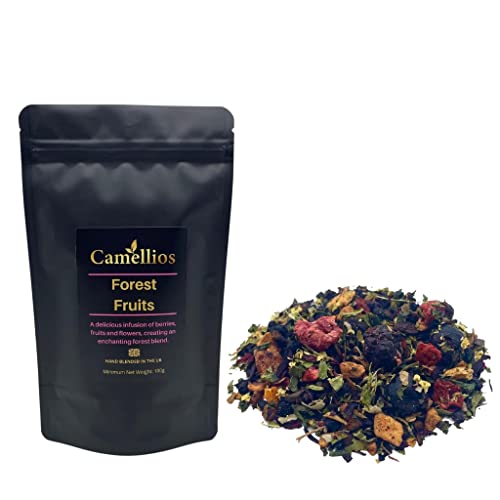
4. Forest Fruits Loose Leaf Tea, Berry and Herbal Infusion, Camellios (100g)
Camellios Forest Fruits is a competent, naturally sweet berry and herbal blend—blackcurrant, raspberry, strawberry, apple, and hibiscus—with no quince whatsoever. It's hand-blended in the UK from ethically sourced ingredients, and the 100g pouch offers decent value. The flavour is pleasant, if generic: think supermarket fruit tea elevated by whole-leaf quality and real freeze-dried fruit. It brews well hot or iced, and the no-caffeine, no-sugar credentials suit school mornings and kombucha experiments. But if you're specifically hunting quince, look elsewhere.
- Hand-blended in the UK with real fruit
- Naturally sweet, no sugar or caffeine
- Versatile—brew hot or iced
- Ethically sourced, pesticide-free
- No quince—generic berry blend
- Flavour profile lacks distinctiveness
TeaTrade participates in affiliate programs. We may earn a commission if you buy via these links.
Affiliate disclosure: TeaTrade is a participant in the Amazon EU Associates Programme, an affiliate advertising programme designed to provide a means for sites to earn commission by linking to Amazon.co.uk. We may earn a small commission if you buy through links on this page, at no extra cost to you. Prices and availability shown on Amazon are current at the time of click.


Comments