

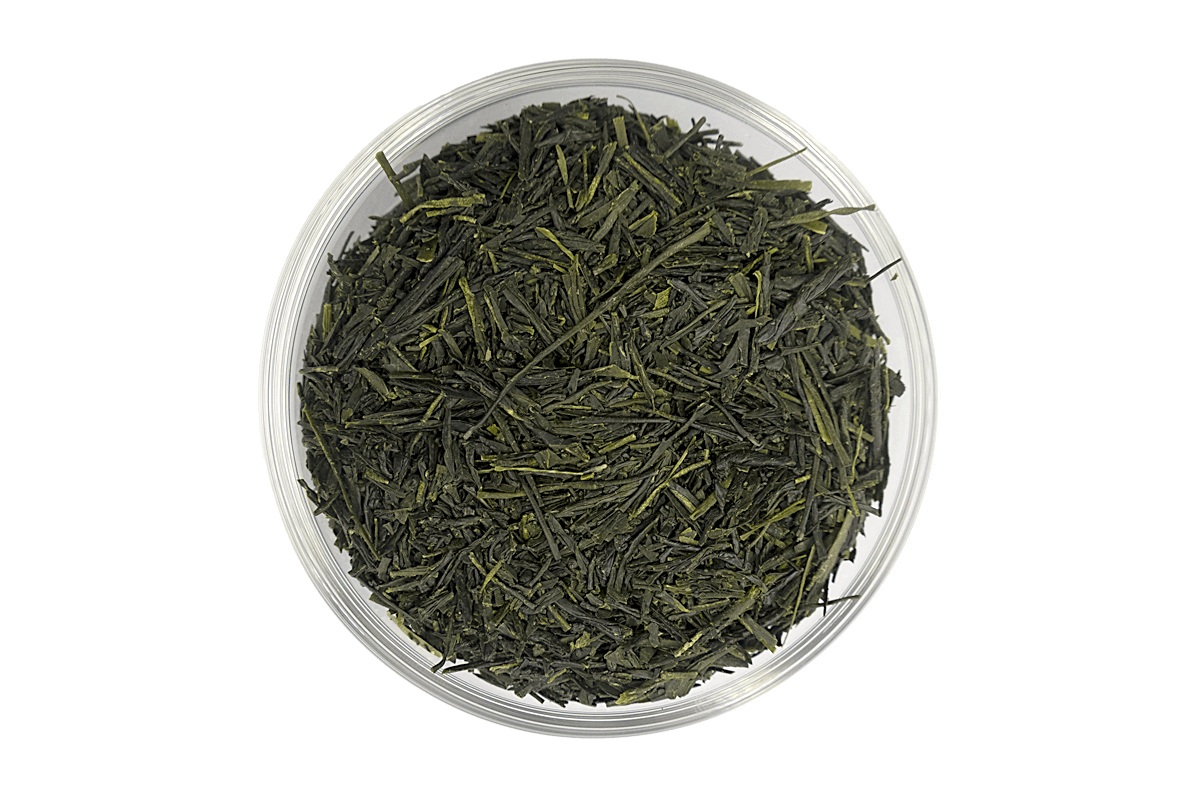
1. O-Cha 'Makinohara Deep Green'
If you want the quintessential Shizuoka experience, this is it. Grown on the sun-drenched Makinohara plateau and deep-steamed for 90 seconds, this tea brews a thick, cloudy, vibrant green liquor. It is intensely savory with notes of edamame, spinach, and broth, with almost zero bitterness.
- Incredible emerald green color
- Rich, soupy mouthfeel
- Very forgiving to brew
- Leaves are broken (powdery)
- Requires fine mesh filter
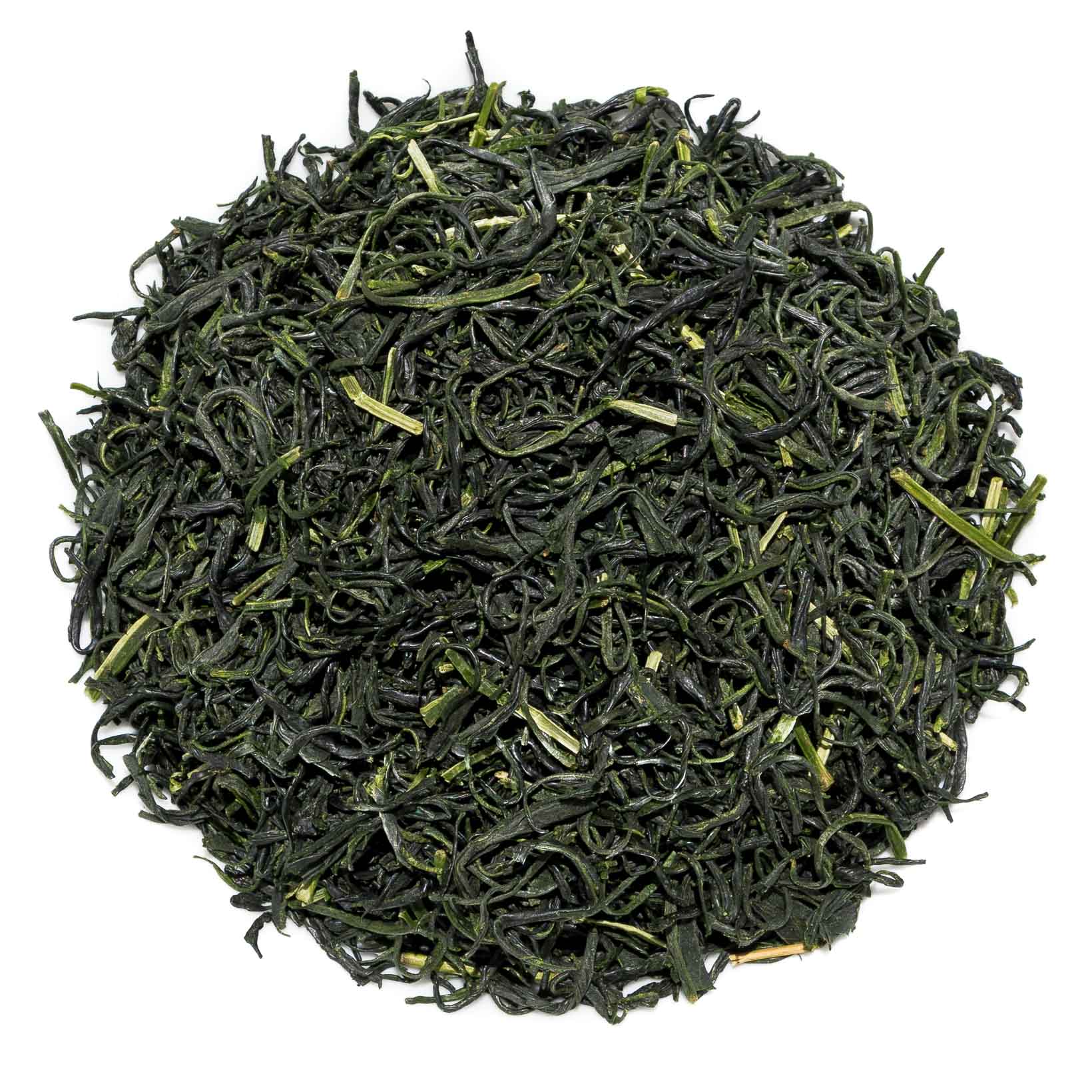
2. Honyama 'Shogun's Reserve' Sencha
This is the counterpoint to Fukamushi. Grown in the misty mountains along the Abe River (the historic source for the Shoguns), this tea is lightly steamed (Asamushi). The needles are long, intact, and beautiful. The liquor is clear gold, with delicate floral aromas and a crisp, refreshing finish.
- Elegant, needle-shaped leaves
- Complex floral/mineral notes
- Clear liquor (beautiful in glass)
- Requires precise temp (70°C)
- More expensive per gram
3. Izu Peninsula Guricha (Tamaryokucha)
Most Japanese tea is rolled into needles. Guricha is left in a curled, "comma" shape. This unique processing results in a tea that releases flavor slowly and has a distinct tangy, berry-like sweetness. It is less astringent than standard Sencha and perfect for casual brewing in a mug.
- Unique tangy-sweet profile
- Can be re-steeped 3-4 times
- Great value for money
- Harder to find outside specialty shops

4. Shizuoka Karigane (Premium Kukicha)
Made from the stems of high-grade Gyokuro and Sencha, Karigane contains less caffeine but double the L-Theanine (the calming amino acid). This Shizuoka blend is incredibly creamy, tasting almost like milk tea without the milk. It is the perfect evening green tea.
- Low Caffeine, High L-Theanine
- Naturally sweet (no sugar needed)
- Zero bitterness
- Light body (can feel thin)
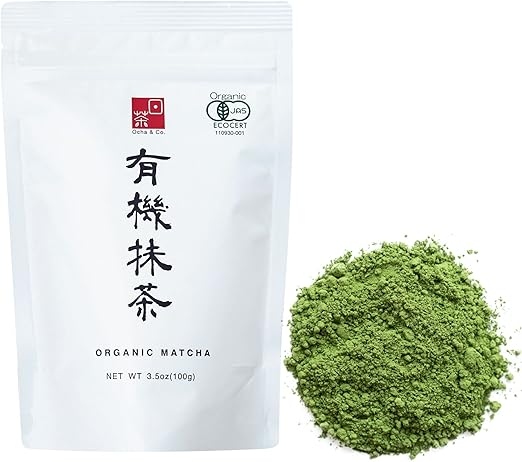
5. Organic Shizuoka Sencha Powder
Not to be confused with Matcha (which is shade-grown), this is powdered whole-leaf Sencha. It has a sharper, more grassy bite than Matcha, making it perfect for cutting through milk in lattes or for baking cakes where you want the green tea flavor to punch through the sugar.
- 100% Leaf Consumption (Nutrients)
- Instant (No teapot needed)
- Excellent for baking
- Too astringent to drink plain like Matcha
TeaTrade participates in affiliate programs. We may earn a commission if you buy via these links.
Comments