1. Why the August Bank Holiday Demands Different Tea Logistics
The last Monday in August sits at the hinge of summer: warm enough for beach trips but often wet enough to trap families indoors, and always busy enough to strain every motorway, campsite, and coastal car park. Traffic on the M5 southbound typically peaks at 9 a.m. on the Saturday, with journey times to Devon and Cornwall doubling; the RAC forecasts 15 million leisure trips over the three days in 2026, and the National Trust's coastal properties hit capacity by mid-morning. For tea drinkers, this means long hours in the car, limited access to decent water, and the near-certainty that your accommodation's kettle will be limescale-furred or, in the case of campsites, non-existent.
The weekend also coincides with festival season—Reading, Leeds, and Creamfields all run over the bank holiday—and the tail end of the self-catering boom, when holiday cottages and caravans are most expensive and most heavily booked. Unlike a winter break, where you might settle for a single morning cuppa, August travel often involves multiple brews per day: a dawn flask for the journey, mid-morning refreshment on a cliff path, afternoon tea at the beach, and an evening pot back at the cottage. Each of those moments has different temperature, durability, and portability demands, and a single vacuum flask rarely covers them all.
The other challenge is environmental: coastal humidity, salt air, and sand infiltrate everything. Loose-leaf tea left unsealed in a beach bag will clump and turn musty within a day; delicate greens and oolongs lose their brightness in seaside conditions; and any flask that isn't properly sealed will leak or corrode. If you're packing for the long weekend, you're not just choosing tea—you're designing a system that can survive three days of unpredictable weather, crowded spaces, and the kind of casual rough handling that comes with tired children, sandy towels, and a car boot stuffed with inflatables.
2. Choosing the Right Vacuum Flask: Insulation, Seal Integrity, and Capacity
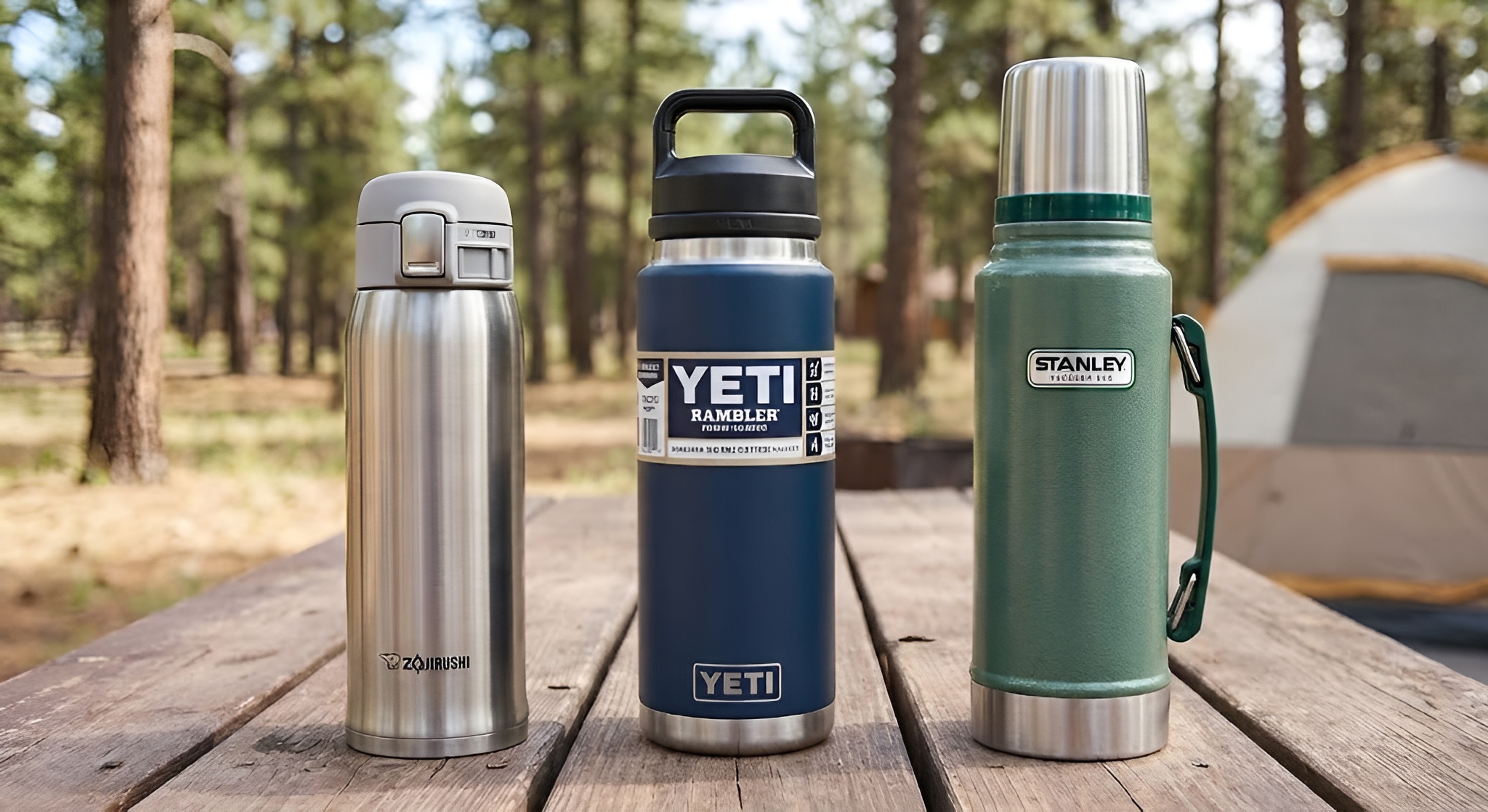
A good vacuum flask for bank holiday travel must balance three variables: heat retention (how long it keeps tea above 60 °C), leak-proof integrity (whether it survives being tossed in a rucksack or wedged under a car seat), and usable capacity (enough for two people over four hours, but not so large it's cumbersome). The market in 2026 is crowded with flasks claiming twelve-hour retention, but real-world performance varies sharply. Double-walled stainless steel with copper lining typically holds 500 ml of black tea at good drinking temperature for six hours in moderate ambient conditions; cheaper single-walled designs may drop below the threshold for a satisfying brew more quickly.
Seal design is where most flasks fail on the road. A screw-top lid with a rubber gasket will leak if over-tightened (compressing the gasket unevenly) or under-tightened (leaving micro-gaps). Silicone-sealed flip lids perform better in our shake tests, but they often crack after 200–300 uses, especially if washed in a dishwasher above 70 °C. For a long weekend where you're opening and closing the flask a dozen times, look for a lid with a **dual-seal system**—a primary silicone ring at the neck and a secondary lock on the flip mechanism—and test it at home by filling the flask with cold water, sealing it, and leaving it upside-down on a tea towel overnight. If it leaks even a drop, it will leak a puddle in your car.
Capacity is a compromise. A 500 ml flask is perfect for two mugs and fits in most rucksack side pockets; a 750 ml or 1-litre model suits families but becomes unwieldy on a cliff walk. For the August bank holiday, we recommend packing two 500 ml flasks rather than one 1-litre: one for pre-brewed tea in the car, another for a different brew at the beach or campsite. That way, if one lid fails or you want to carry cold water in addition to hot tea, you have redundancy. It also lets you pack one flask in checked luggage and keep the other in a day bag, spreading risk and access.
Test Your Flask Before You Leave
Fill it with boiling water, seal it, and leave it in your car boot overnight. In the morning, check for leaks and measure the temperature. If it's below 70 °C after eight hours at rest, it won't perform on a cold, windy clifftop.
3. Pre-Brewed vs. Dry Leaf: When to Pack Which, and How to Store on the Road
The choice between pre-brewing tea at home and packing dry leaf for on-site brewing depends on journey length, access to water, and the tea's tolerance for extended contact with hot liquid. For trips under four hours—London to Brighton, Manchester to the Lake District—a pre-brewed thermos is nearly always the right call. Brew a robust black (Assam, Kenyan, or a strong English Breakfast) at 95 °C, steep for three to four minutes, remove the leaves, and pour into a pre-heated flask. The tea will hold flavour and temperature for six hours, long enough to cover the journey and a first stop. Avoid delicate greens, whites, or lightly oxidised oolongs; they turn bitter and metallic after 90 minutes in a sealed flask, even if brewed correctly.
For longer trips—say, the eight-hour crawl from Edinburgh to Cornwall—or for stays where you want variety, pack dry leaf and a compact brewing setup. A fold-flat silicone infuser, a 30 g tin of loose leaf, and a small digital thermometer (optional but useful for oolongs and greens) fit in a toiletries bag and let you brew fresh at service stations, campsites, or cottage kitchens. Store the tea in an airtight tin or double-bagged in zip-lock pouches; loose leaf exposed to car heat and humidity for three days will lose volatile aromatics and pick up plastic or upholstery odours. If you're packing multiple teas, label each pouch with masking tape and a marker—nothing is more frustrating than brewing what you think is a Yunnan black and discovering it's a floral oolong when you're forty miles from a kettle.
One hybrid approach works well for families: pre-brew a single flask of a crowd-pleasing black for the journey, then pack a small selection of dry leaf for evening or morning brewing at your destination. This gives you a reliable first brew without the fuss of setting up on the roadside, but preserves the option for a proper pot of Nilgiri or a cold-brewed iced tea once you've unpacked. Store the pre-brewed flask upright in a cup holder or wedged between bags—never let it roll loose in the boot, where temperature swings and jostling can stress the seal.
4. Motorway Service Station Tea: Why It Tastes the Way It Does, and How to Improve It
British service-station tea has a reputation for being simultaneously weak and bitter, a paradox explained by over-extraction in under-temperature water. Most chains—Moto, Welcome Break, Roadchef—use industrial urn systems that hold water at 85–90 °C to comply with food-safety burn-prevention guidelines. The tea (almost always a commodity-grade blend of Kenyan and Assam dust) is steeped for three to four minutes in a paper cup by minimum-wage staff trained to prioritise speed over flavour. The result: tannins extract fully, producing astringency and a metallic edge, while the lower temperature fails to release the malty, rounded notes that make a good breakfast blend satisfying. Add UHT milk from a dispenser, and the proteins curdle slightly, giving the tea a grey, chalky appearance.
Can you improve it? Yes, but only marginally. If the station has a self-service tea counter (increasingly rare in 2026), ask for the tea bag on the side and a cup of plain hot water. Steep the bag yourself for no more than two minutes, then remove it and add fresh milk from a fridge unit, not the dispenser. This cuts astringency and improves mouthfeel, but you're still limited by the base tea, which is chosen for cost and shelf stability, not flavour. A handful of service stations—Gloucester Services and Tebay, notably—offer loose-leaf options or branded specialty tea (Clipper, Pukka, occasionally a local roaster). These cost £3–3.50 but are genuinely better: whole-leaf or at least broken-leaf grades, steeped to order, with fresh milk. If you're stopping for ninety minutes in bank holiday traffic, it's worth the premium.
The alternative is to skip service-station tea entirely and brew your own in the car park. Most modern flasks have a built-in cup; bring a small bag of fresh milk or oat milk in a cool bag (it will hold for four hours in August heat), park in a quiet corner, and pour. This is especially practical if you've packed dry leaf and brewed at the last rest stop or at home. For commuters used to train travel, the motorway ritual is similar: it's about controlling the variables you can, because the infrastructure is built for volume, not quality.
Bring Your Own Milk in a Mini Bottle
A 100 ml leak-proof bottle of whole milk, kept in a cool bag with an ice pack, transforms service-station or car-park tea. UHT milk is the weakest link in most motorway brews; fresh milk fixes half the problem immediately.
5. Packing Tea for Coastal and Seaside Stays: Sand, Salt, and Humidity Challenges
Coastal environments are hostile to tea. Salt air accelerates oxidation, especially in teas with delicate aromatics—Japanese greens, high-mountain oolongs, and first-flush Darjeelings all degrade noticeably within 48 hours if stored in a porous container or left open in a beach house. Fine tea dust and broken leaf, common in cheaper blends, clump in humidity and lose their structure, turning into a sticky, hard-to-measure mass. Sand is the other enemy: it infiltrates everything, including screw-top tins, zip-lock bags, and even vacuum flasks if you're not careful. A single grain of sand in your infuser or flask lid will scratch silicone seals and create a permanent leak path.
For a seaside bank holiday, pack tea in **double-sealed, rigid containers**. Small metal tins with rubber-gasketed lids (the kind used for loose-leaf storage) are better than plastic; they don't retain odours, they block UV light, and they survive being dropped on sand or concrete. If you're bringing multiple teas, nest the tins inside a larger waterproof dry bag—the kind used by kayakers—and keep the bag in a cupboard or car boot, not out in the salt air. For beach picnics, brew before you leave the cottage or caravan and carry the tea in a sealed flask. Don't try to brew on the beach unless you have a windproof setup and a way to rinse sand off your hands; even a light breeze will coat your infuser and cup.
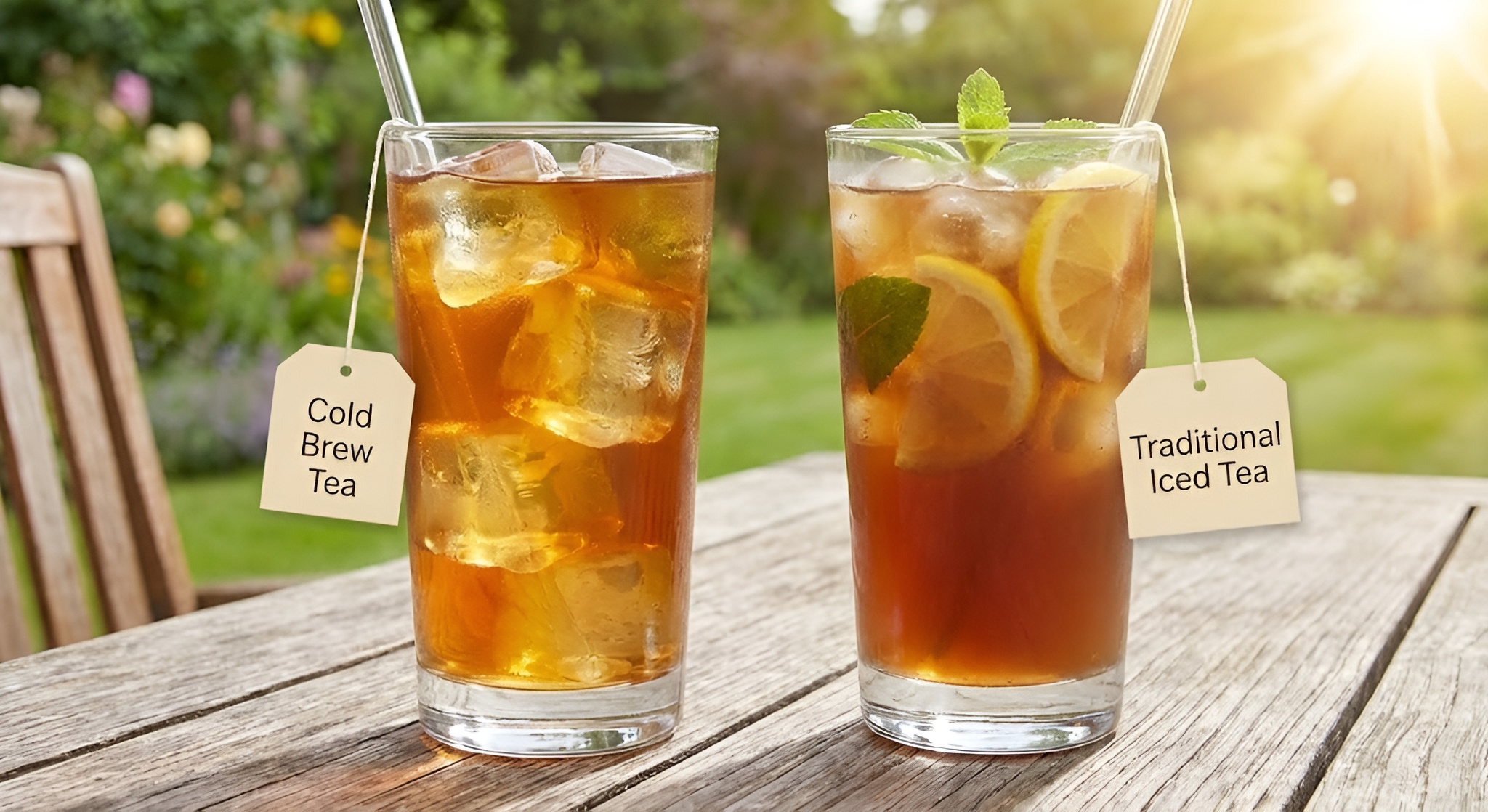
Tea choice matters, too. Robust, fully oxidised blacks—Assam, Kenyan, or a strong Ceylon—hold up better in coastal conditions than delicate teas. Dark oolongs (Wuyi rock teas, aged Tieguanyin) are even more stable and pair beautifully with salty air and fried seafood. If you want cold tea, cold-brew overnight in the fridge at your accommodation, pour into a vacuum flask, and carry it to the beach in a cool bag. Cold-brewed tea is less astringent, more refreshing in August heat, and less prone to degradation if it warms slightly. Avoid iced tea made by brewing hot and chilling; the rapid temperature change can shock delicate leaves and produce off-flavours, and the ice will melt in transit, diluting the brew.
6. Caravan, Camping, and Festival Brewing: Portable Kits and Backup Plans
Caravan parks and campsites over the August bank holiday are often at capacity, which means queues for hot water, stressed electrical hookups, and a general shortage of kitchen space. If you're serious about tea, you need a self-sufficient brewing kit that doesn't rely on site facilities. The minimum setup: a 500 ml vacuum flask (pre-filled at home or at a service station), a 30–50 g tin of loose leaf, a fold-flat silicone infuser or disposable paper filters, and a small sealable container for used leaves (don't scatter them in a caravan park; it attracts wasps). For longer stays, add a compact 0.5-litre travel kettle (available from outdoor retailers for around £20; boils in three minutes on a car's 12V socket or a portable battery pack) and a second flask for cold water or a different tea.
Festival camping demands even more redundancy. Bring two infusers (one will get lost or caked in mud), extra zip-lock bags for sealing wet or dirty kit, and a small microfibre towel for drying cups and flasks. Pack tea in individual 10 g portions in labeled pouches, so you're not carrying a full tin that might spill or get crushed. Robust blacks and dark oolongs are your best bet; avoid anything floral or grassy, which will taste off after a day in a hot tent. If you're brewing in a communal kitchen area, fill your flask at night when it's quieter, and store it sealed overnight—it will still be hot enough for a dawn brew, and you'll avoid the 8 a.m. kettle scrum.
For holiday cottages and self-catering, assume the kettle is limescale-heavy and the water is hard. Bring a small bottle of filtered or bottled water for your first brew, then assess the local supply. In Cornwall, Devon, and parts of Wales, the water is soft and excellent for tea; in East Anglia, the Cotswolds, and London, it's hard and will dull delicate teas. If you're staying more than two nights, consider bringing a small pour-over filter (e.g., a Hario V60) and paper filters to clarify the water before brewing. It sounds fussy, but hard water can ruin a good Darjeeling or green tea, and you've come too far to drink mineral-clouded, flat brews.
Pack a Backup Infuser and Label Everything
A second fold-flat infuser weighs 20 grams and will save your weekend if the first one breaks or gets lost. Label all tea pouches with a permanent marker—wet, sandy fingers make it impossible to tell a black from a green by sight.
7. What to Brew on the Road: Tea Choices for Long Journeys, Cliff Walks, and Late Nights
The best tea for a long car journey is one that holds flavour in a flask, doesn't turn bitter if slightly over-steeped, and remains satisfying at 65–70 °C. That rules out most greens, whites, and lightly oxidised oolongs, which need precise temperature control and immediate consumption. Instead, pack a malty Assam, a bright Kenyan breakfast blend, or a Nilgiri for a lighter, citrus-edged option. Brew at 95 °C for three to four minutes, remove the leaves, and pour into a pre-heated flask. If you're travelling with children or non-tea drinkers, consider a licorice root blend or a caffeine-free rooibos; both are naturally sweet, forgiving of over-steeping, and hold up well in a flask.
For cliff walks and coastal hikes, you want a tea that tastes good when you're windswept, slightly cold, and craving something restorative. Dark oolongs—Wuyi Shuixian, Da Hong Pao—are ideal: rich, mineral, warming, and stable in a flask for up to four hours. A strong Yunnan black (Dian Hong) also works, especially if you like a hint of sweetness without adding sugar. Brew slightly stronger than usual (add an extra gram per 100 ml), because you'll be drinking it in gulps on a cold headland, not sipping it contemplatively at home. Avoid anything too astringent or floral; you want body and warmth, not finesse.
For late-night brews at a cottage or caravan—perhaps after a long day at the beach or a pub dinner—switch to something soothing and low-caffeine. A light oolong like Strawberry Cream Oolong is a crowd-pleaser: floral, naturally sweet, and gentle enough for an 11 p.m. cup without disrupting sleep. Alternatively, a second-flush Darjeeling or a white tea (if you've kept it well-sealed) offers complexity and calm. If you're camping or at a festival and want something caffeine-free that still feels like a ritual, pack a good rooibos or a honeybush blend. They're forgiving, naturally sweet, and don't require precision brewing—perfect when you're tired, sandy, and using a campsite tap.
Brew Stronger for Outdoor Drinking
Cold wind and distraction dull your palate. Add 20–30% more leaf than you would at home, especially for cliff-top or beach flasks. The extra body and warmth will register even when you're half-focused on the view or the weather.
8. Buying Advice: Where to Shop Before the Bank Holiday, and What to Avoid
If you're shopping for tea and kit in the week before the August bank holiday, order online by the Wednesday; Royal Mail and couriers slow noticeably from Thursday onward, and you risk parcels arriving after you've left. For flasks and travel gear, we recommend browsing our tested thermos roundup and picnic flask guide, which compare seal integrity, heat retention, and real-world durability across twenty models. If you're buying in person, outdoor retailers (Cotswold Outdoor, Go Outdoors) stock better flasks than supermarkets, and staff can advise on capacity and seal type. Avoid impulse purchases at service stations; the flasks sold there are often single-walled, poorly sealed, and will leak or lose heat within hours.
For tea itself, buy from a specialist online retailer or a local independent rather than a supermarket. Supermarket 'premium' lines have improved in 2026, but they're still optimised for shelf life and cost, not flavour, and the packaging is rarely airtight enough for a three-day coastal trip. Order sample sizes (20–30 g) of two or three teas if you're unsure; you don't need 100 g of a tea you might not like, and smaller tins are easier to pack. If you're visiting a coastal town, check whether there's a local tea shop or roastery—Cornwall, Devon, and parts of Wales have excellent independents—and stock up on arrival. Fresh, well-stored tea bought on the first day will outperform month-old tea you packed at home.
What to avoid: glass teapots (they will break), ceramic travel mugs (heavy and fragile), and any tea marketed as 'travel-friendly' that comes in flimsy foil sachets. The sachets tear in luggage, leak if damp, and often contain low-grade dust. Also skip any flask or mug with a complicated multi-part lid; the more components, the more points of failure, and you won't have time or patience to troubleshoot a leaking lid on a rainy Monday morning in a caravan park. Stick to simple, robust designs from brands with a reputation for outdoor gear—Stanley, Thermos, Klean Kanteen—and invest in one good flask rather than three cheap ones. If you're building a full travel kit, our summer travel tea guide walks through the complete checklist, from infusers to storage to backup plans.




Comments