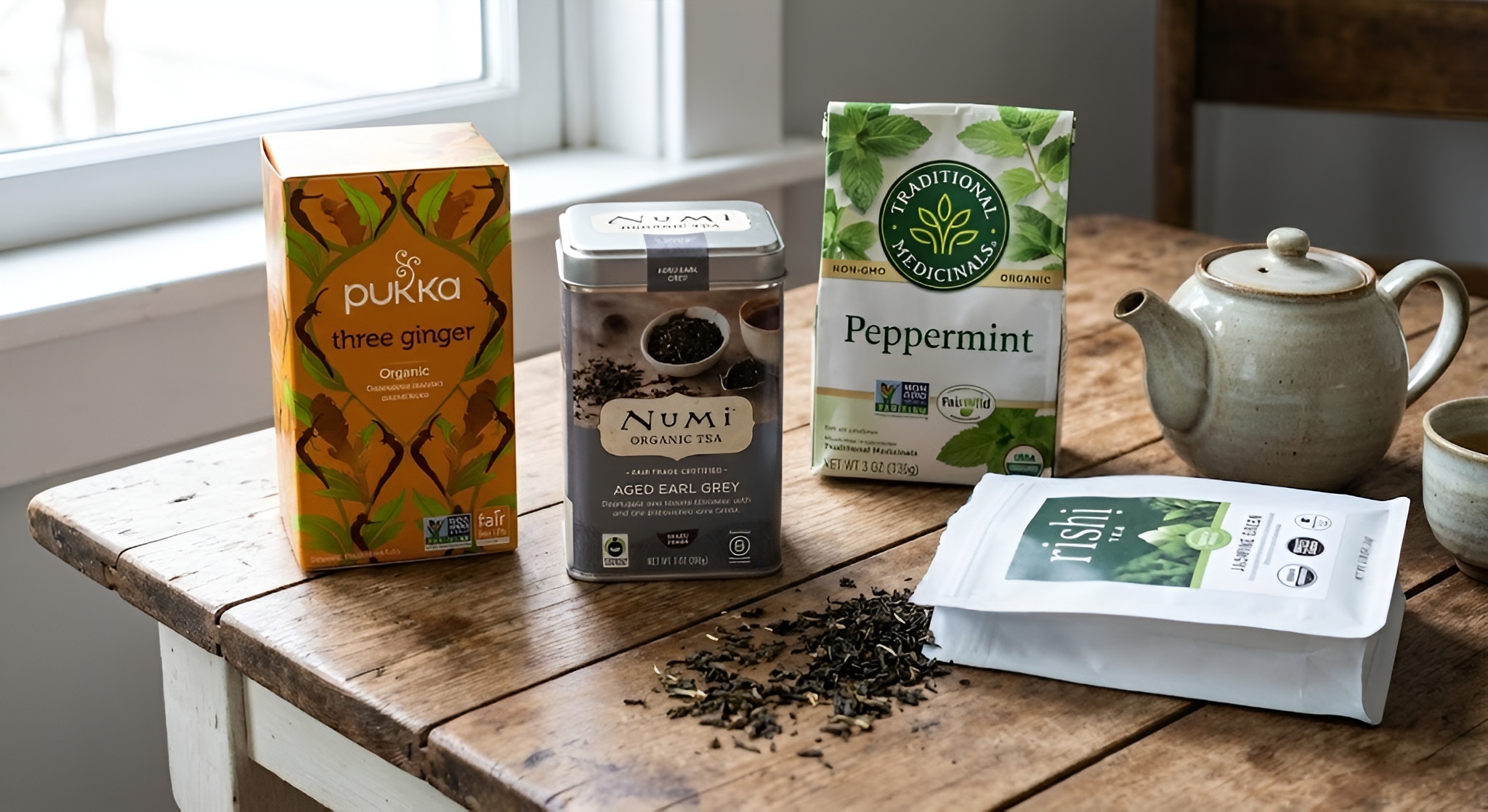
How We Chose: The "Boots on Ground" Test
We prioritized brands that visit their suppliers. If a CEO can name the estate manager in Darjeeling but buys their tea from a German wholesaler, they didn't make this list. We looked for Direct Trade relationships, verifiable charity initiatives (like Vahdam's TEAch Me), and 100% plastic-free packaging.

1. Vahdam Teas
Vahdam is the poster child for the new wave of Indian tea. By cutting out the 3-4 middlemen who usually sit between the garden and the UK supermarket, they can pay farmers a better price while delivering tea that is months, not years, old. Their "TEAch Me" initiative commits 1% of revenue to education for tea workers' children.
Pros
- Tea is packaged at source (India)
- Certified Climate Neutral & Plastic Neutral
- Incredible freshness (vacuum sealed)
Cons
- Higher price point than supermarket tea
- Shipping carbon footprint (air vs sea)

2. Rare Tea Company
Based in London, Rare Tea Co supplies the world's best restaurants (Noma, Claridge's). They advocate for "Direct Trade" as superior to Fair Trade, arguing that paying a premium for quality is the only sustainable way to lift farmers out of poverty. Their "Lost Malawi" tea supports the Satemwa Estate, a model of ethical farming in Africa.
Pros
- Direct relationships with artisan farmers
- A portion of revenue goes to the Rare Charity
- Zero plastic packaging
Cons
- Loose leaf only (mostly)
- Expensive (but worth it)
Expert Tip: Why "Blends" Hide Truth
Be wary of "English Breakfast" blends that don't list the origin. Big brands mix cheap tea from 20 different estates to create a consistent flavor. This makes it impossible to trace ethical violations. Brands like Rare Tea Co or Teabox sell Single Origin, meaning you can trace the leaf back to one specific farm.

3. Teabox
Like Vahdam, Teabox is disrupting the colonial auction model. By using technology to shorten the supply chain, they can offer fresher tea to the consumer and better prices to the producer. Their subscription service allows you to explore different single estates every month.
Pros
- Vacuum-packed at source
- Huge variety of Single Estate Darjeelings
- Transparent harvest dates
Cons
- Shipping times from India can vary
- Focus is mainly on Indian tea

4. Clipper Teas
If you need to buy tea at Tesco or Sainsbury's, buy Clipper. While they are a larger brand now (owned by Ecotone), they have maintained strict Fair Trade and Organic standards. They are accessible, affordable, and far more transparent than the "Big Two" competitors. Their Everyday Tea is a solid, ethical builder's brew.
Pros
- Widely available & affordable
- Unbleached, plastic-free bags
- Strong Fair Trade commitment
Cons
- Still a commodity blend (lower complexity)
- Not Direct Trade
Expert Tip: The "Plastic-Free" Lie
Many tea bags claim to be "plastic-free" but use PLA (polylactic acid), a corn-plastic that only degrades in industrial composters. It will not rot in your garden heap. Clipper and Rare Tea Co use verified home-compostable materials. Always check for the "Home Compostable" logo.

5. Equal Exchange
This is activism in a cup. Equal Exchange focuses on challenging the corporate food system. Their tea is consistently high quality organic, and their supply chain is one of the most audited in the world. Buying from them supports a business model where the workers call the shots.
Pros
- 100% Worker-Owned Cooperative
- Small Farmer focus
- Organic certified
Cons
- Packaging design is basic
- Limited range compared to big brands
Summary: How They Compare
| Brand | Model | Origin Focus | Best For |
|---|---|---|---|
| Vahdam | Source-Based | India | Gifting & Variety |
| Rare Tea Co | Direct Trade | Global | High-End Loose Leaf |
| Teabox | Tech/Direct | India/Nepal | Freshness Geeks |
| Clipper | Fair Trade | Blends | Daily Tea Bags |
| Equal Exchange | Co-operative | Global | Activism & Ethics |
TeaTrade participates in affiliate programs. We may earn a commission if you buy via these links.
Comments